
-
Room 501, Building B, No. 666 Lugu Avenue, Yuelu District, Changsha City, Hunan Province, 410205, China

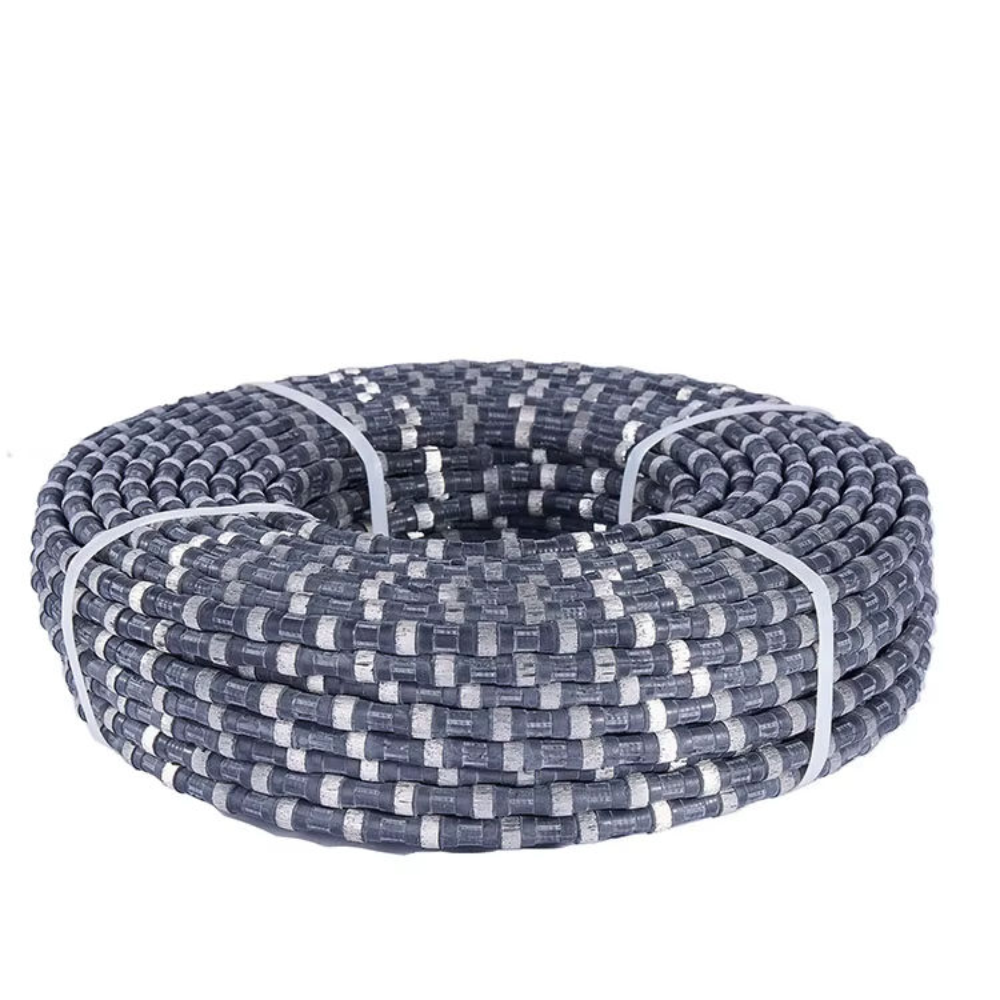
How to Match Drill Teeth to Concrete, Rebar, and Aggregate
Sintered or electroplated diamond wire? Learn how bead bonding, cutting speed, cost per cut, and application differ — and how to choose for your concrete.
How to Match Drill Teeth to Concrete, Rebar, and Aggregate
drill teeth — the diamond segments welded to the crown of a core drill bit — determine penetration speed, vibration, wear life, and hole quality on every concrete coring job. Mismatched drill teeth are the number-one cause of slow penetration, premature wear, and high drilling cost in reinforced concrete, road core sampling, and deep wall boring. The industry has settled on a small set of proven tooth shapes — roof top, turbo, crown, flat, wave, dot, gear, honeycomb, and grid roof-top — each engineered for a specific cutting job. Knowing which shape to specify is what separates a productive drilling crew from one that burns through segments.

Roof Top Teeth: Fast Starts, Clean Holes
roof top teeth use a sharp conical tip with reinforced cutting edges to bite into the concrete surface immediately and center the bit on the target before the rest of the crown engages. The V-shaped roof top geometry drastically reduces drilling resistance on the first few millimeters, preventing the bit from wandering or vibrating on entry. roof top teeth are the most popular choice for heavy reinforced concrete core drilling and the standard specification on high-end wet coring bits. Kowis manufactures roof top teeth in standard 16–32 mm diameters with 10–12 mm segment heights, in metal-bond general-purpose grades.
Turbo Teeth: Continuous Speed Under Heavy Load
turbo teeth carry continuous stepped flow grooves on the side faces that create strong turbulence as the bit rotates, flushing drilling slurry and dust away from the cutting zone in real time. This makes turbo teeth the best-selling shape for dry concrete coring on outdoor jobs without water supply, and a strong choice for deep drilling and high-speed cutting in hard concrete. Turbo teeth dominate outdoor dry core sampling on mixed asphalt-concrete municipal roads, where heat dissipation and slag removal make the difference between fast drilling and a burnt segment. Kowis turbo teeth are tuned for medium-to-hard concrete with continuous rim segments.
Wave, Flat, and Crown Teeth: When to Pick Each
wave teeth (also called corrugated) break the contact line between the bit and the workpiece into shorter segments, reducing vibration and improving chip evacuation. They are the right choice on hard aggregate, rebar-adjacent concrete, and deep-hole drilling where vibration is a problem. flat teeth are the classic, most common shape — a flat cutting face that wears predictably and is easy to redress in the field, ideal for general-purpose drilling across concrete, masonry, and stone. Crown teeth are the classic choice for municipal road core sampling and routine indoor pipe hole coring; their circular segmented cutting edge polishes smooth hole walls without chipping.
Specialized Shapes: Dot, Gear, Honeycomb, Grid Roof-Top
For specialized jobs, dot teeth (pointed) carry raised diamond points across the crown for precision drilling and predictable wear, ideal for anchor and dowel drilling. gear teeth use large, aggressive segments for heavy-duty drilling under high torque and continuous operation, the right answer for production drilling and demolition. honeycomb teeth feature open channels that improve airflow and water flow to keep the cutting zone cool, the cleanest choice for long drilling cycles and dry drilling with limited water. grid roof-top teeth combine a textured grid of segments with a roof-top tip for fast stock removal in demolition and deck preparation, where cutting speed is the priority.
How to Choose the Right Drill Teeth
For fast starts on hard concrete, choose roof top teeth or grid roof-top teeth. For low vibration on occupied sites, choose wave teeth or honeycomb teeth. For precision anchor and dowel drilling, choose dot teeth. For maximum removal speed in demolition, choose grid or gear teeth. For general-purpose work on plain concrete, masonry, and stone, choose flat teeth. All Kowis drill teeth are available in standard 16–32 mm diameters with custom diameters on request — contact us with your drill rig and material, and we will recommend the matched specification.