
-
Room 501, Building B, No. 666 Lugu Avenue, Yuelu District, Changsha City, Hunan Province, 410205, China

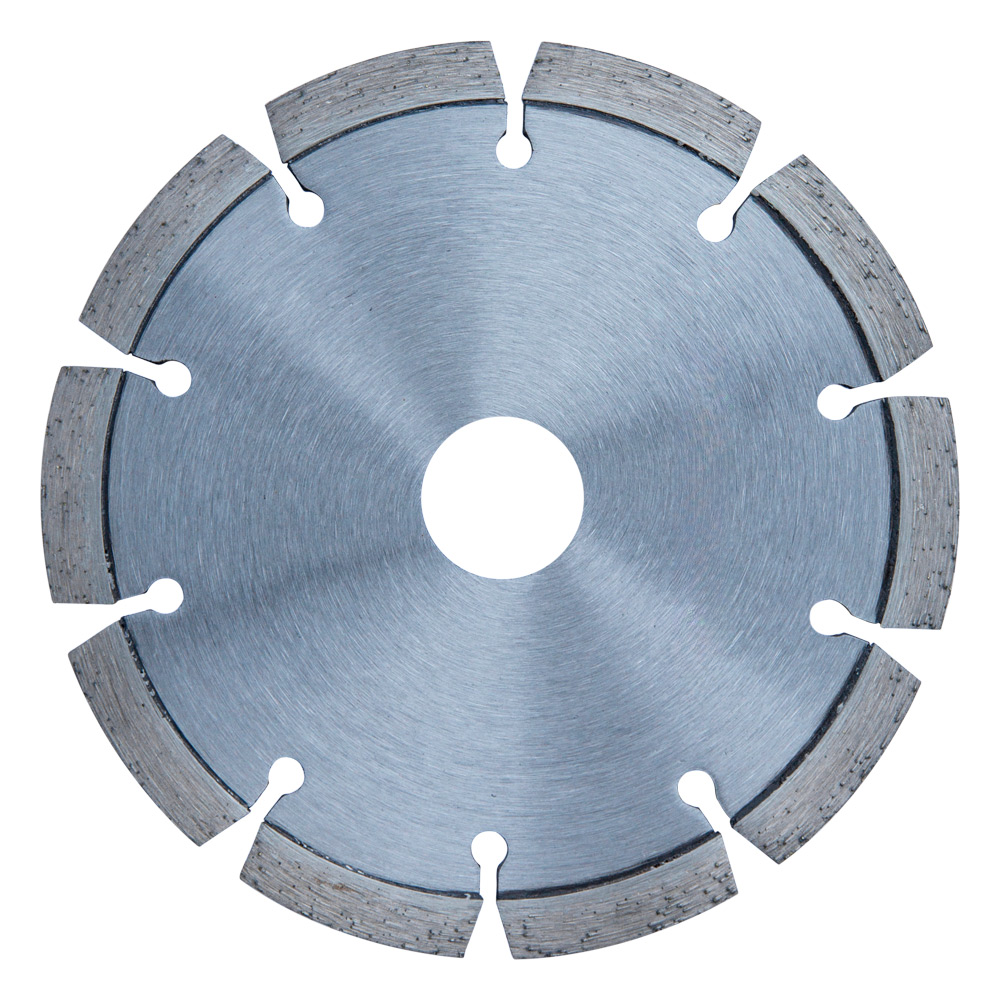
The Nine Drill Tooth Shapes: A Field Guide for Concrete Drilling Contractors
Three classic drill bit shapes compared: roof-top, turbo, and flat. See penetration, vibration, wear, and hole quality differences to pick the right bit.
The Nine Drill Tooth Shapes: A Field Guide for Concrete Drilling Contractors
Walk onto any concrete job site and you will see drill bits with one of nine tooth shapes welded to the crown: roof top, flat, wave, turbo, turbo roof-top, dot, grid roof-top, honeycomb, and gear. Each shape represents a deliberate trade-off between drilling sharpness, wear resistance, and dry/wet compatibility. Picking the right drill teeth for your material — plain concrete, heavily reinforced concrete, asphalt-concrete composite, or aged abrasive pavement — is what separates a drilling crew that hits its targets from one that burns through segments.

The Fast-Start Family: Roof Top, Turbo Roof-Top, Grid Roof-Top
roof top teeth are the pointed, V-shaped teeth designed for instant starting. They center the bit immediately and prevent wandering on the first cut. Turbo roof-top teeth combine a conical tip with continuous turbo segments, making them the fastest bit in our range for hard concrete and heavy rebar. grid roof-top teeth layer a textured grid of segments under the roof-top tip, the right answer when stock removal speed is the priority — demolition and deck preparation. All three belong to the “fast start” family because they cut drilling resistance on entry and get the bit engaged with the workpiece in seconds.
The Continuous-Cut Family: Turbo, Flat, Crown
turbo teeth carry stepped flow grooves on the side faces that flush slurry and dust out of the cutting zone, the workhorse for dry concrete coring. flat teeth are the classic general-purpose shape, with a flat cutting face that wears predictably and is easy to redress in the field. Crown teeth (also called crown segments) form a circular segmented cutting edge that polishes smooth hole walls without chipping, the preferred shape for routine indoor pipe hole coring. These three shapes all deliver continuous, stable cutting once the bit is engaged — the right pick when drilling depth is moderate and material is uniform.
The Specialty Family: Wave, Dot, Honeycomb, Gear
wave teeth break the bit-workpiece contact line into shorter segments, reducing vibration and improving chip evacuation — the right shape for hard aggregate and deep-hole drilling. dot teeth carry raised diamond points for precision drilling, anchor and dowel work. honeycomb teeth create open channels that improve airflow and water flow, the cleanest choice for long drilling cycles and dry drilling with limited water supply. gear teeth use large, aggressive segments for heavy-duty drilling under high torque and continuous operation. Kowis manufactures all nine shapes factory-direct; contact us with your drill rig, material, and target drilling speed, and we will recommend the right drill teeth.