
-
Room 501, Building B, No. 666 Lugu Avenue, Yuelu District, Changsha City, Hunan Province, 410205, China

How to Match Drill Teeth to Three Real-World Drilling Scenarios
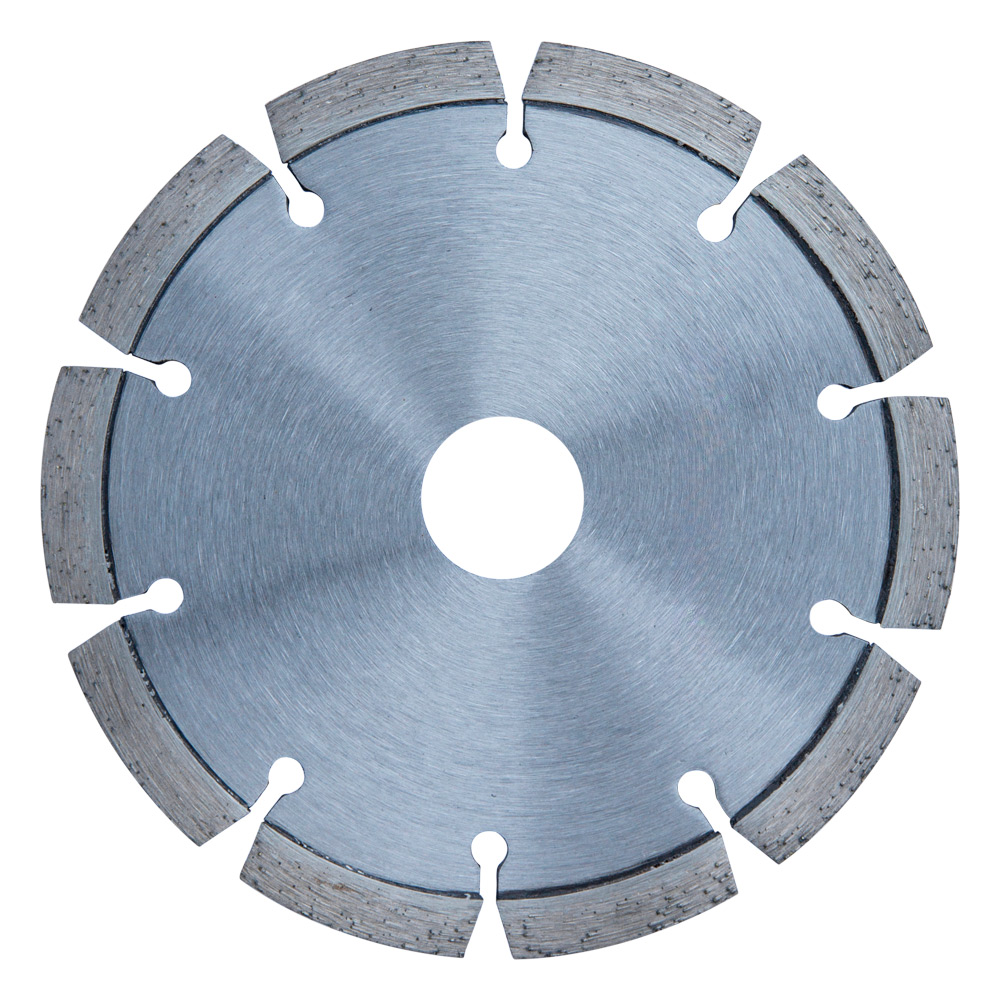
Standard or sequenced (arrayed) wall saw blade teeth? Compare 40×12 mm options for cutting smoothness, vibration, and reinforced concrete performance.
How to Match Drill Teeth to Three Real-World Drilling Scenarios
Drilling contractors lose the most time and money not on the wrong machine, but on the wrong drill teeth for the job. The same bit that flies through plain concrete floors will glaze and burn in heavily reinforced bridge decks, and the segment shape that works for indoor pipe holes will not survive a single afternoon of asphalt-concrete municipal road sampling. Match the teeth to the scenario, and the bit drills fast and lasts long; mismatch the teeth, and you pay for it in segment replacement and downtime. Here is how to match drill teeth to the three most common concrete drilling scenarios: municipal road core sampling, deep wall reinforced concrete boring, and indoor pipe hole coring.

Municipal Road Core Sampling: Grid, Gear, and Turbo
Municipal road cores are usually taken from asphalt-concrete composite roads and aged abrasive pavement, which calls for drill teeth with aggressive biting edges and excellent slag removal. grid roof-top teeth, gear teeth, and turbo teeth are the three best matches: grid teeth spread wear evenly and bite hard, gear teeth carry large aggressive segments for heavy-duty drilling, and turbo teeth keep the cutting zone cool by flushing slurry out through stepped flow grooves. For dry sampling on outdoor roads without water supply, turbo teeth are the standard. For longer life on abrasive pavement, gear teeth outperform flat teeth.
Deep Wall Reinforced Concrete Boring: Roof Top, Turbo Roof-Top, Wave
Deep wall boring in reinforced concrete is where roof top teeth, turbo roof-top teeth, and wave teeth earn their keep. roof top teeth give the bit an instant start and prevent wandering on the first few millimeters. Turbo roof-top teeth combine a conical tip with continuous turbo segments, the fastest shape for hard concrete and heavy rebar at depth. wave teeth reduce vibration on long drilling cycles, critical when the operator is working in a residential or sensitive building. For deep holes with high rebar density, choose roof top or turbo roof-top teeth; for hard aggregate and rebar-adjacent concrete, choose wave teeth.
Indoor Pipe Hole Coring: Crown, Flat, Dot
Indoor pipe hole coring — for plumbing, electrical, HVAC, and drainage openings — needs smooth, low-vibration drilling with predictable hole-wall quality. Crown teeth deliver smooth, chip-free hole walls, the preferred choice for pipeline and ventilation openings. flat teeth are the classic general-purpose shape for plain concrete floors and light reinforced walls. dot teeth carry raised diamond points for precision drilling, the right shape for anchor and dowel drilling where hole accuracy matters. For routine indoor coring, crown teeth and flat teeth are the dependable default; for precision anchor work, switch to dot teeth.
Matching Drill Teeth by Material
Beyond scenario, match drill teeth by material: plain concrete → flat or crown; heavily reinforced concrete → roof top or turbo roof-top; aged abrasive pavement → grid or gear; asphalt-concrete composite → turbo; hard aggregate → wave or roof top; rebar-adjacent concrete → wave. Kowis manufactures all nine drill tooth shapes factory-direct; contact us with your drill rig, material, and drilling scenario for a matched recommendation.