
-
Room 501, Building B, No. 666 Lugu Avenue, Yuelu District, Changsha City, Hunan Province, 410205, China

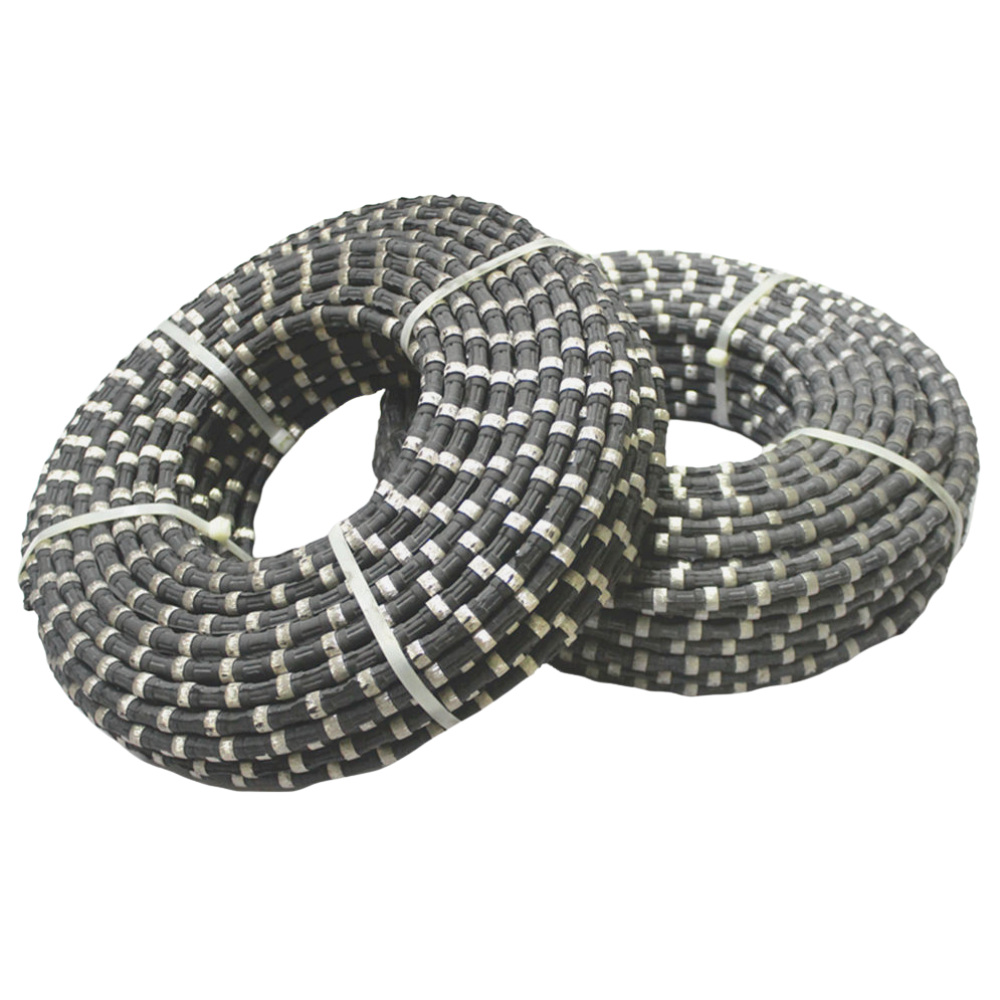
How to Extend Drill Teeth Life on Reinforced Concrete Job Sites
Proven practices to get more square meters from your diamond wire and longer life from your drill and saw blade teeth — from water flow to tension control.
How to Extend Drill Teeth Life on Reinforced Concrete Job Sites
drill teeth are consumables, but most wear out early because of avoidable errors: dry drilling without water supply, wrong bond hardness for the material, or mismatched tooth shape for the application. A few disciplined habits on the drill rig can stretch segment life dramatically and keep your drilling cost per hole in line. The pros focus on three things: water flow, tooth shape match, and rotation speed.

Keep Water Flow Steady for Longer Tooth Life
Water cools the diamond segment, flushes drilling slurry, and prevents glazing. A consistent flow at the cutting zone extends drill teeth life dramatically. Check nozzles daily — a blocked nozzle is the silent killer of diamond segments, leading to overheating and segment burn. On dry drilling jobs where water is unavailable, switch to turbo teeth with built-in flow grooves, which are engineered for outdoor dry coring and handle heat dissipation without water.
Match Tooth Shape to Material, Not the Other Way Round
Most premature segment wear comes from using the wrong drill teeth for the material. Plain concrete floors take flat or crown teeth. Heavily reinforced concrete takes roof top or turbo roof-top teeth. Aged abrasive pavement takes grid or gear teeth. Hard aggregate takes wave or roof top teeth. Match the shape to the material, and the diamond segment wears evenly across its working layer; mismatch the shape, and one part of the segment burns while the rest sits idle.
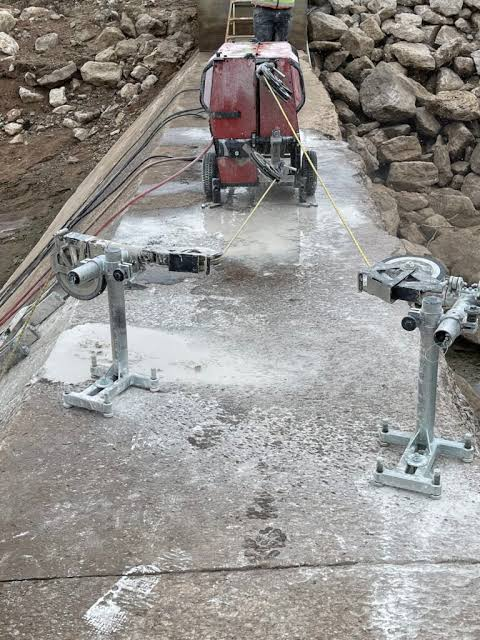
Rotation Speed and Segment Glazing
Running the bit too fast generates heat faster than water can carry it away; running it too slow causes the diamond to polish and glaze. Both kill segment life. The sweet spot is a rotation speed matched to the bit diameter and the material — slower for larger diameters, faster for smaller; slower for hard aggregate, faster for plain concrete. Most Kowis drill teeth are tuned for general-purpose reinforced concrete and perform best in the 600–1200 RPM range for 16–32 mm diameters.
Track Cost Per Hole, Not Just Drill Teeth Price
Track cost per hole, not the unit price of drill teeth. The cheapest tooth that wears out in three holes costs more than a slightly more expensive tooth that lasts ten. Keep simple records of holes per bit and per segment set, and review them monthly. When the number drops, something changed — water, rotation speed, material, or operator. Kowis supplies all nine drill tooth shapes factory-direct; send us your drilling data and we will recommend the specification that gives you the lowest cost per hole.